What water temperature is too cold to swim in?
The short answer is below 70 °F (21 °C), and the reason has nothing to do with how cold it feels.
Updated 12 September 2026
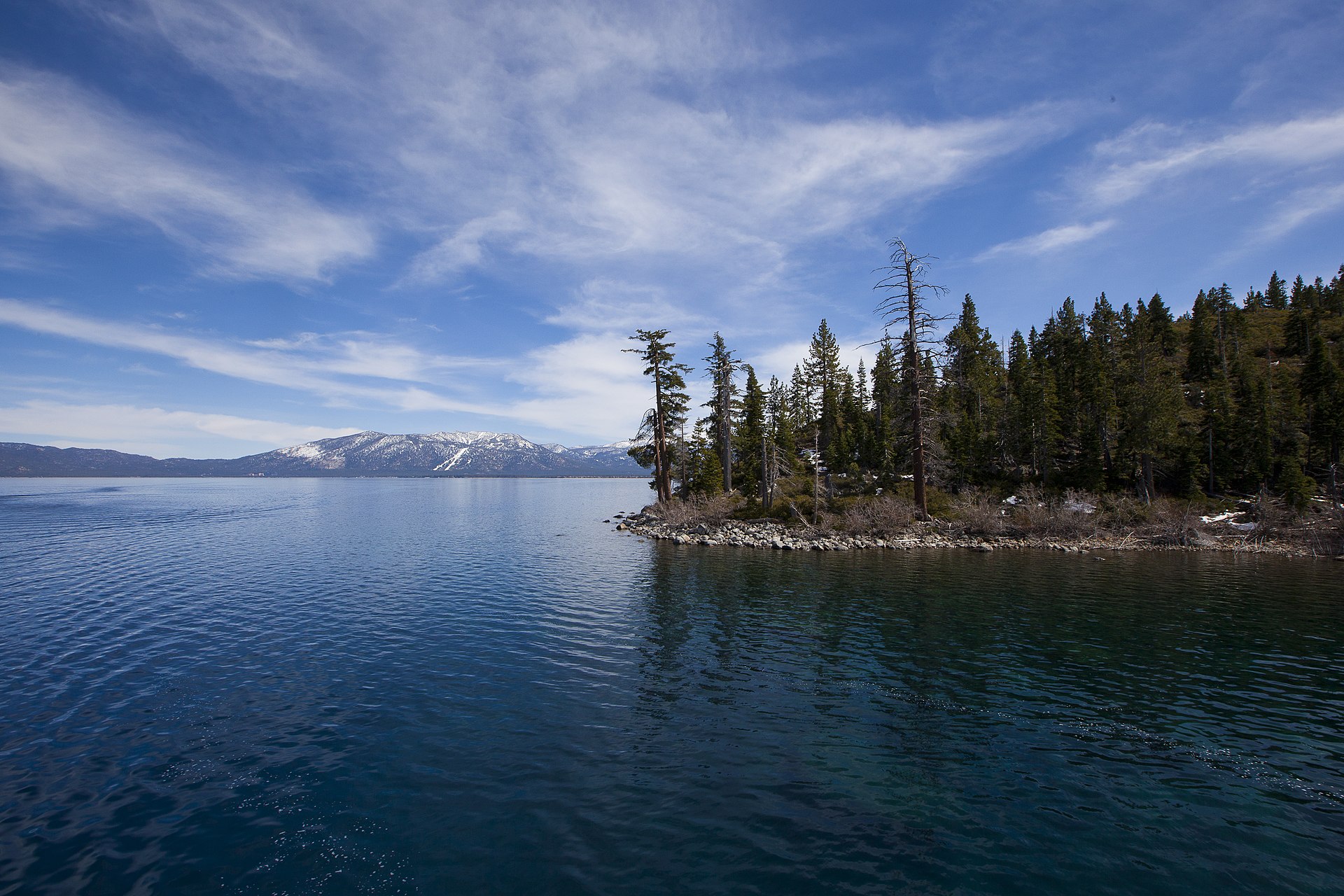
Photo: Lara Farhadi, CC BY 2.0, via Wikimedia Commons

Most people judge a lake by dipping a hand in. That is the wrong test, and it is the reason cold water catches out strong swimmers every summer.
The number that matters: 70 °F (21 °C)
The National Center for Cold Water Safety treats anything below 70 °F (21 °C) as water to approach with caution, and that is where they recommend thermal protection. That sounds cautious. 70 °F air is a pleasant spring day.
Water is different. It is far denser than air and pulls heat out of you around 25 times faster. Your skin sits at about 91 °F (33 °C), which is why 85 °F water already feels cool and 70 °F water feels properly cold.
The US Coast Guard used to define cold water as below 60 °F. After a congressional inquiry in 1998 they raised that line to 70 °F.
Why 50–60 °F is the dangerous band, not 35 °F
This is the part that surprises people. Cold water shock is not worst in near-freezing water. It peaks between 50 and 60 °F (10–15 °C) for most people who are not used to cold water, and it is as intense there as it is at 35 °F.
What happens when you go in:
- The gasp. An involuntary, deep intake of breath you cannot suppress. Underwater, that means inhaling water.
- Hyperventilation. Rapid, uncontrolled breathing that can last one to three minutes. At 65 breaths a minute you cannot time a stroke to your breathing. Swimming even 6 to 10 feet is often impossible, for good swimmers too.
- You cannot hold your breath. Below 60 °F, the average person holds their breath about a third as long as usual. In one study in 41 °F water, average breath-hold dropped from 45 seconds to 9.5, and for one person to a fraction of a second.
Note what is missing from that list: hypothermia. It takes far longer to set in. The danger in the first minutes is losing control of your breathing.
A rough guide by temperature
| Water temperature | What it means |
|---|---|
| 77 °F (25 °C) and above | Warm. Comfortable for a long swim. |
| 70–77 °F (21–25 °C) | Pleasant for most people. |
| 60–70 °F (15–21 °C) | Cold. Fine for a short, controlled swim if you are used to it. Thermal protection recommended. |
| 50–60 °F (10–15 °C) | Where cold water shock peaks. A wetsuit is essential, and never alone. |
| Below 50 °F (10 °C) | For trained cold water swimmers with support, or nobody. |
These assume you are not acclimated and not wearing a wetsuit. Regular cold exposure changes the picture considerably, which is why you will see people swimming happily in water that would floor an unprepared visitor.
What to actually do
Check the temperature before you go, rather than guessing from the air. A hot afternoon does not mean warm water, especially in a deep lake in early summer, and especially after a windy spell, which pushes warm surface water aside and brings colder water up.
Get in gradually. Wading in and waiting a minute before going deeper blunts the gasp response. Jumping in is the version that goes wrong.
Never swim cold water alone, and keep your face out of the water for the first minute.
Have dry clothes ready. You feel coldest 10 to 15 minutes after you get out, not while you are in.
One more thing about lakes specifically
A lake is not one temperature. The shallow end of a bay in the afternoon sun can be several degrees warmer than open water 200 yards away, and there can be a sharp cold layer a few feet down. The reading on our lake pages is a surface temperature, measured at one point. Treat it as a good guide, not a promise.
Check a lake now
 Lake Tahoe3 mph wind
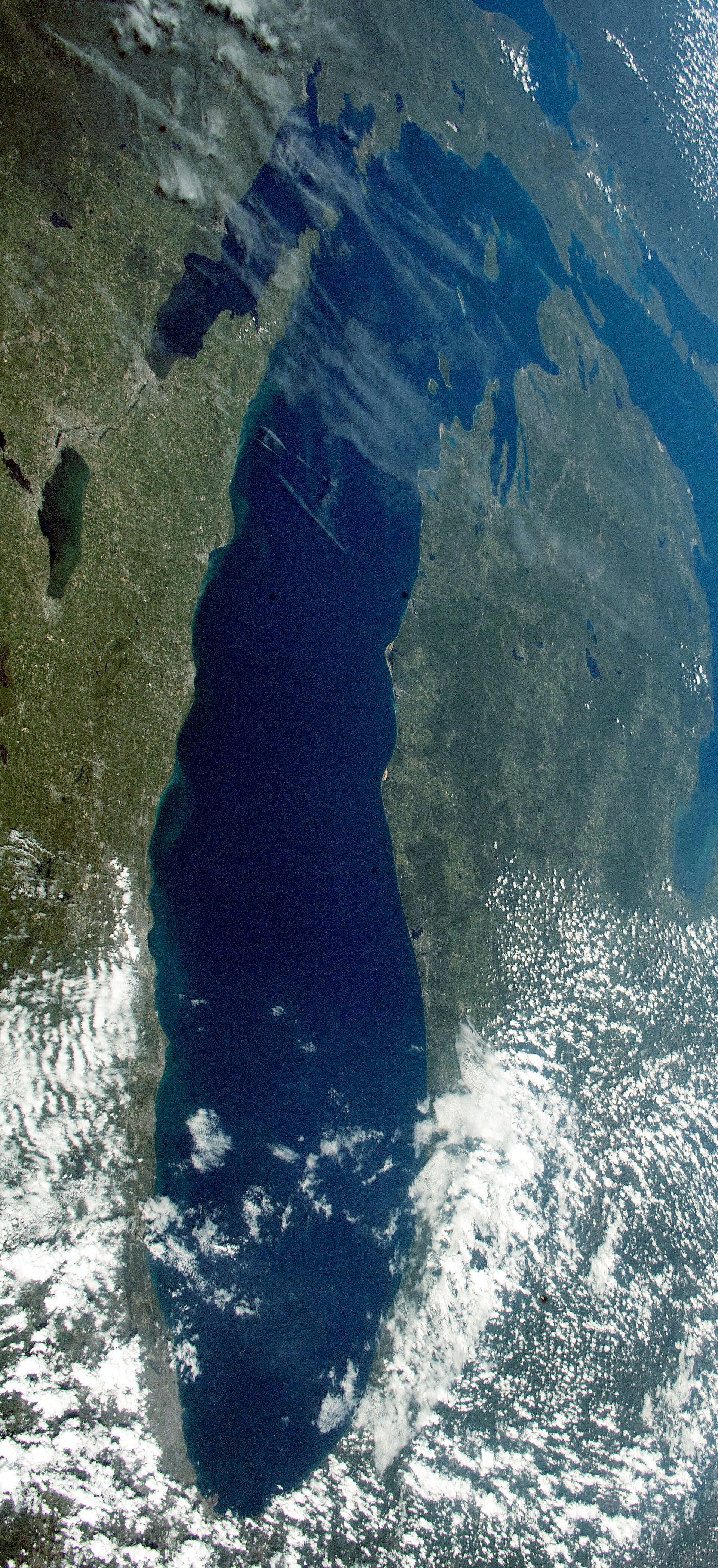 Lake Michigan, Chicago shore72 °F water, 579.1 ft, 9 mph wind
 Lake George319.4 ft, 4 mph wind
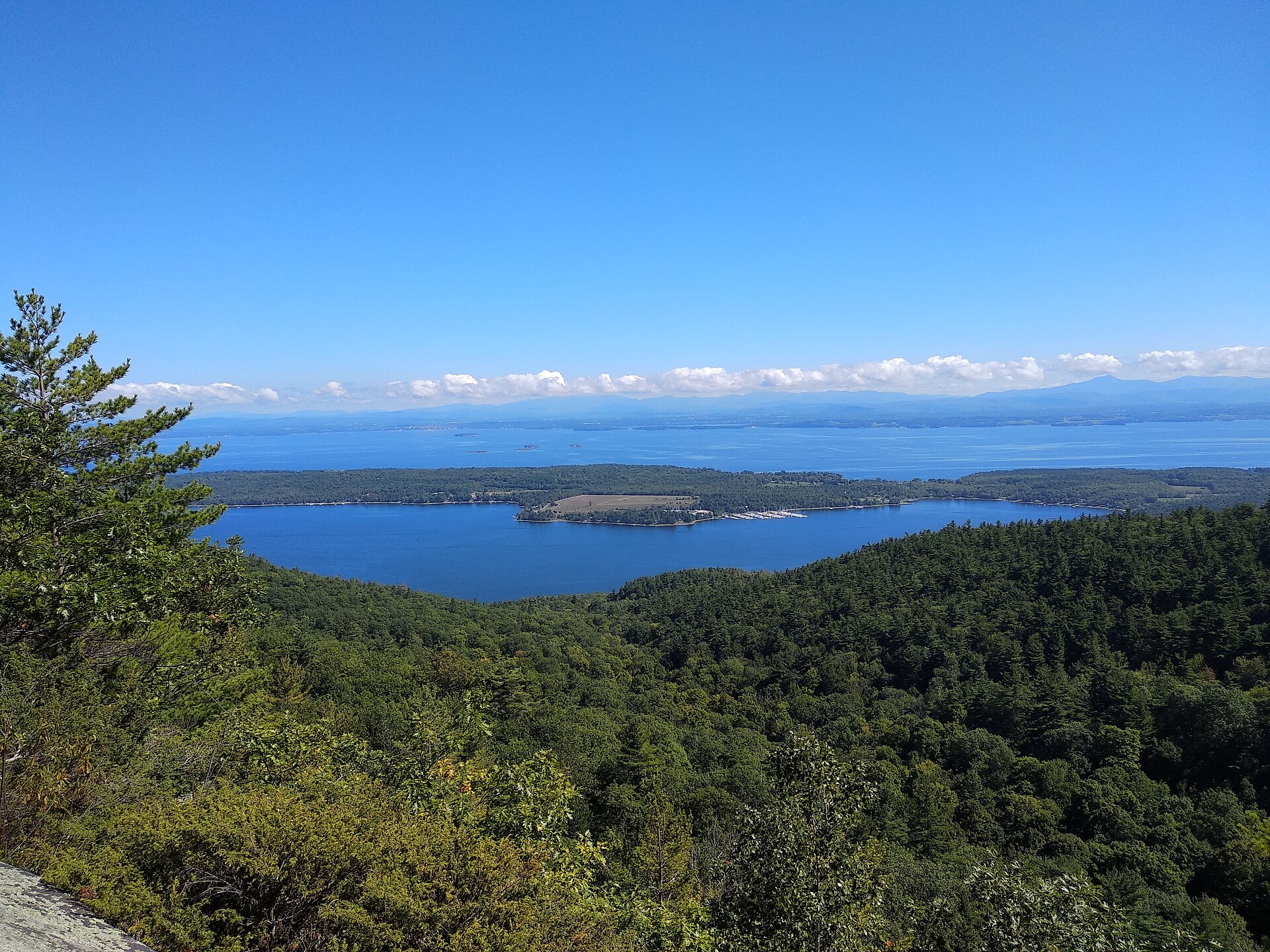 Lake Champlain67 °F water, 94.3 ft, 14 mph wind
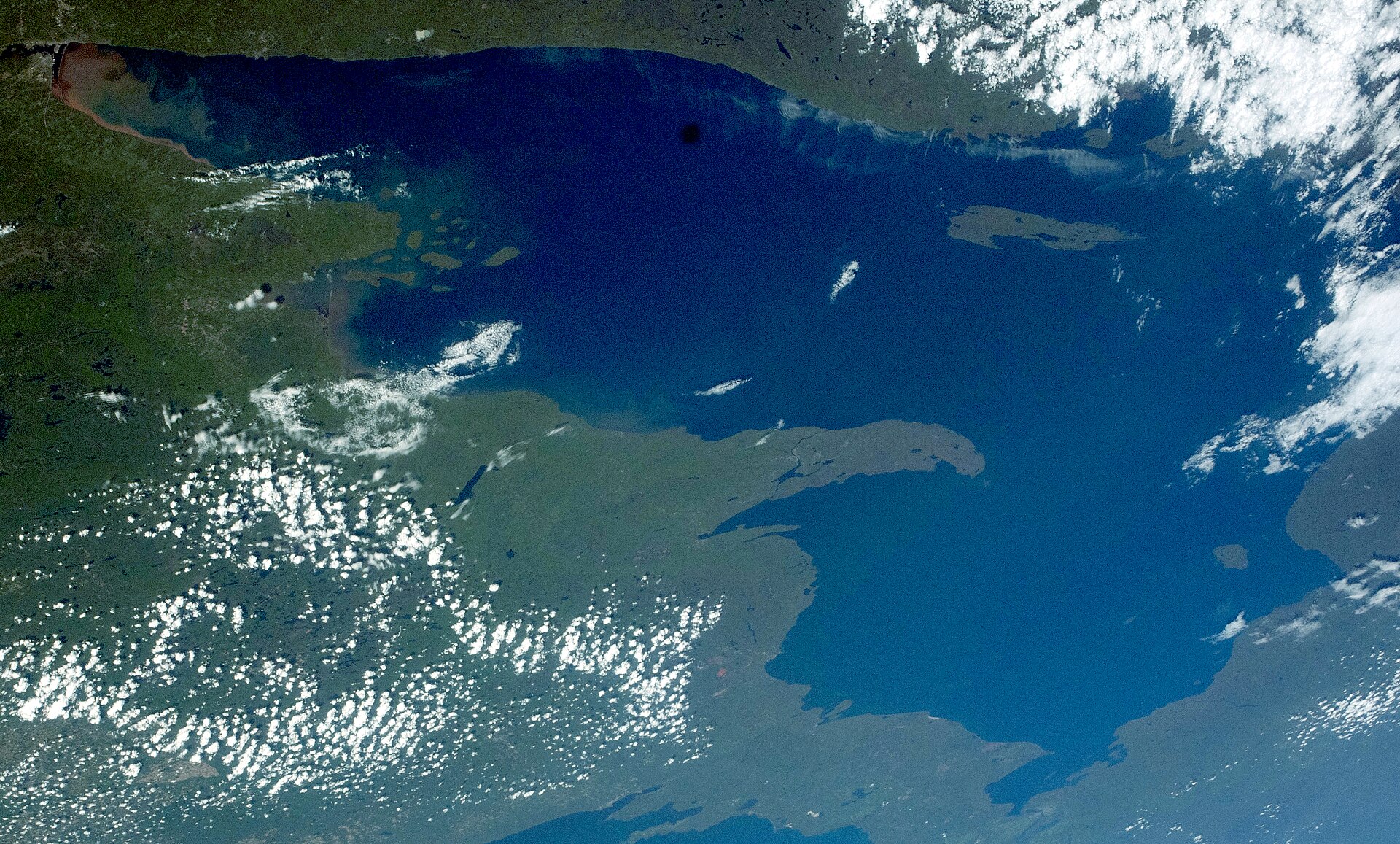 Lake Superior65 °F water, 601.9 ft, 17 mph wind
Cold water thresholds and the effects described here come from the National Center for Cold Water Safety. Lake temperatures on Lakedip come from the sources named on each lake page.